Seepage and Damp Walls: Causes and Fixes
Peeling paint, white salt marks and damp patches all point to water getting into the walls. Find where it comes from first, because the fix depends entirely on the source.
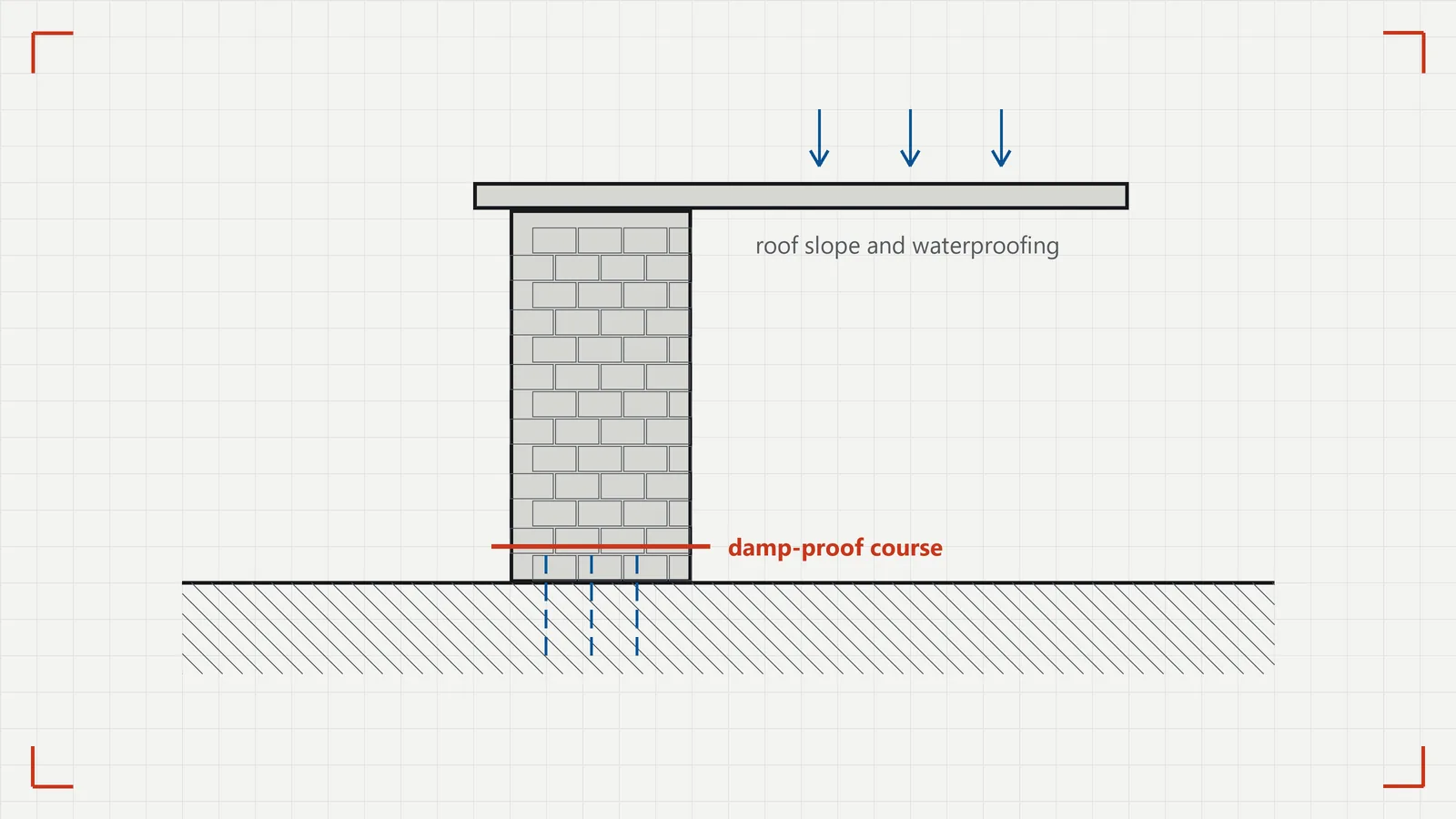
Seepage is one of the most common complaints we hear about older houses. Paint bubbles and peels, plaster turns soft, white powdery salts appear, and rooms smell damp. Many people repaint or replaster, only to see the patch return within a season. That happens because the cause was never fixed.
Step one: find the source
Damp patches have a pattern, and the pattern usually tells you where the water is coming from.
| What you see | Likely cause |
|---|---|
| A band of damp along the bottom of walls, up to two or three feet high | Rising damp from the ground |
| Damp patches on the top floor ceiling or the tops of walls, worse after rain | Roof leaking |
| A patch behind or below a bathroom or kitchen, damp all year | Leaking water or drain pipe |
| Damp on an outside wall that gets worse in rain | Rain soaking through the wall |
| White powder or crystals on the surface | Salts carried by the water as it dries |
Rising damp
Ground moisture climbs up brick walls if there is no working damp-proof course (DPC) at plinth level, or if it has been bridged by raised floors, earth filling outside or plaster running down to the ground.
Lasting fixes:
- Make sure the outside ground level is below the DPC, and remove any earth or plaster bridging it
- Where there is no DPC or it has failed, install a new barrier, either by inserting one in the wall or by chemical injection, done by people who know how
- Remove the salt-damaged plaster, let the wall dry, and replaster
Painting over rising damp only hides it for a while.
Roof leaks
Flat roofs leak when the waterproofing has cracked, when the roof does not slope towards the drains, or when drain outlets are blocked with dust and leaves.
Lasting fixes:
- Clear and check the drains before every monsoon
- Repair or redo the roof treatment so water runs off quickly instead of standing
- Seal around water tanks, pipes and AC stands, where many leaks start
See our roof waterproofing and renovation work.
Plumbing leaks
A leak inside a wall or floor keeps the area damp all year, not just in the rainy season. Common culprits are joints behind bathroom fittings, cracked drain pipes and leaking water tank connections.
Lasting fix: pressure test the lines to find the leak, repair or replace the pipe, then let the wall dry before replastering. Our plumbing team tests supply lines before closing them up for this reason.
Salts and efflorescence
The white powder on damp walls is salt left behind as water evaporates. It breaks down plaster and paint. Brushing it off helps for a while, but it will come back until the water source is stopped.
Order of work for a lasting repair
- Find and stop the water source
- Remove damaged plaster back to sound wall
- Let the wall dry properly, which can take weeks
- Treat for salts if needed, then replaster
- Paint with a breathable finish
A simple test: damp or condensation?
Not every wet wall is seepage. In bathrooms and kitchens, or in closed rooms in winter, warm moist air can condense on cold walls. Try this:
- Tape a square of aluminium foil or plastic sheet tightly to the damp patch on all four sides.
- Leave it for two or three days.
- Peel it off and look. Moisture on the wall side means water is coming through the wall. Moisture on the room side means condensation from the air.
Condensation is fixed with ventilation: an exhaust fan in the bathroom and kitchen, opening windows after cooking and bathing, and not drying clothes indoors in closed rooms.
What not to do
- Do not keep repainting. Each coat traps a little more moisture and the patch comes back larger.
- Do not seal a wet wall with a waterproof coating on the inside. Water still enters from the source and pushes out somewhere else, often higher up the wall or in the next room.
- Do not replaster before the wall dries. New plaster on a wet, salty wall fails quickly.
- Do not ignore a slow leak. Constant moisture near columns and beams can rust the steel inside them over time.
Questions we hear
Will waterproof paint fix seepage? Not on its own. It can help on an outside wall that gets wet in rain, but it will not stop water from the ground, a roof or a leaking pipe.
How long should a wall dry before repainting? It depends on the wall and the weather, and it can take weeks. The wall should feel dry and show no new salt marks before you replaster or paint.
Is seepage covered when I buy a newly built house? That depends on what the seller agreed in writing. Ask before you buy, and check the top floor ceilings and the bottom of walls, where damp shows first.
When to call someone
If damp keeps returning, covers a large area, or comes with cracks in the structure, have it inspected. Moisture inside walls can damage steel in columns and beams over time.
We fix seepage as part of renovation work across Faisalabad. Describe the problem and send us photos on WhatsApp, or read how to plan a renovation while you live in the house.


